
Choosing the best time to visit Split
The best time to visit Split for a trip built around walking is, in our view, May, June or September: the historical DHMZ monthly means are lower than in July and August. For a visit built around warmth and time at the beach, start by comparing July and August instead. For a boat-led itinerary, put sailing conditions and the actual departure calendar ahead of a fixed recommendation by month.
That is a choice between priorities, rather than a single season that suits every visitor. Decide which experience would disappoint you most to miss, then arrange the other days around it. A traveller who wants the coast as a backdrop to walks can make a different decision from someone whose main aim is a full day offshore.
The climate comparison comes from the DHMZ Split-Marjan historical series for 1948 to 2024. It describes past monthly averages, not the weather on a future travel date. The weather page keeps the complete monthly tables and their periods together. Here the focus is how to turn that background into a sensible plan without repeating the tables or treating them as a daily forecast.
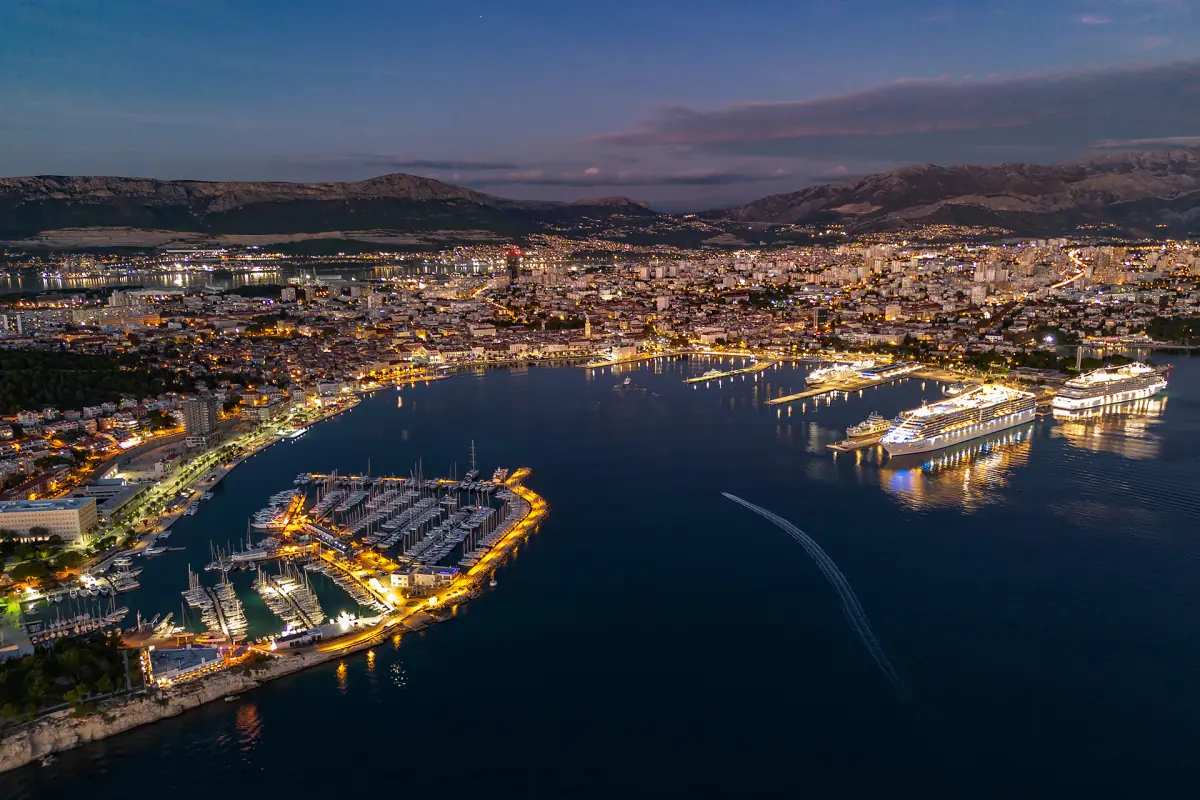
Spring and early autumn for walking
May, June and September are useful starting points if the main plan is to spend time on foot. Lower historical monthly temperatures than midsummer are a reason to consider them, rather than a promise that every afternoon will feel mild. Keep the length of walks adjustable and choose the day's programme with the current forecast.
For an outdoor day on Marjan, follow local access signs as well as the weather. Tree work led to partial closures reported on 1 February 2026; choose the route using the instructions at the entrances rather than assuming every path is available. Nature time is easier to fit into a flexible city stay than into a tightly timed transfer day.
Our picks: A boat trip from Split
This boat trip includes an English-speaking crew and snorkeling masks; its operation depends on weather.
Hand-picked tours, booked through Viator. Prices are indicative starting prices in euros (as of October 2026). Tap a tour for live availability and the current price in your currency.
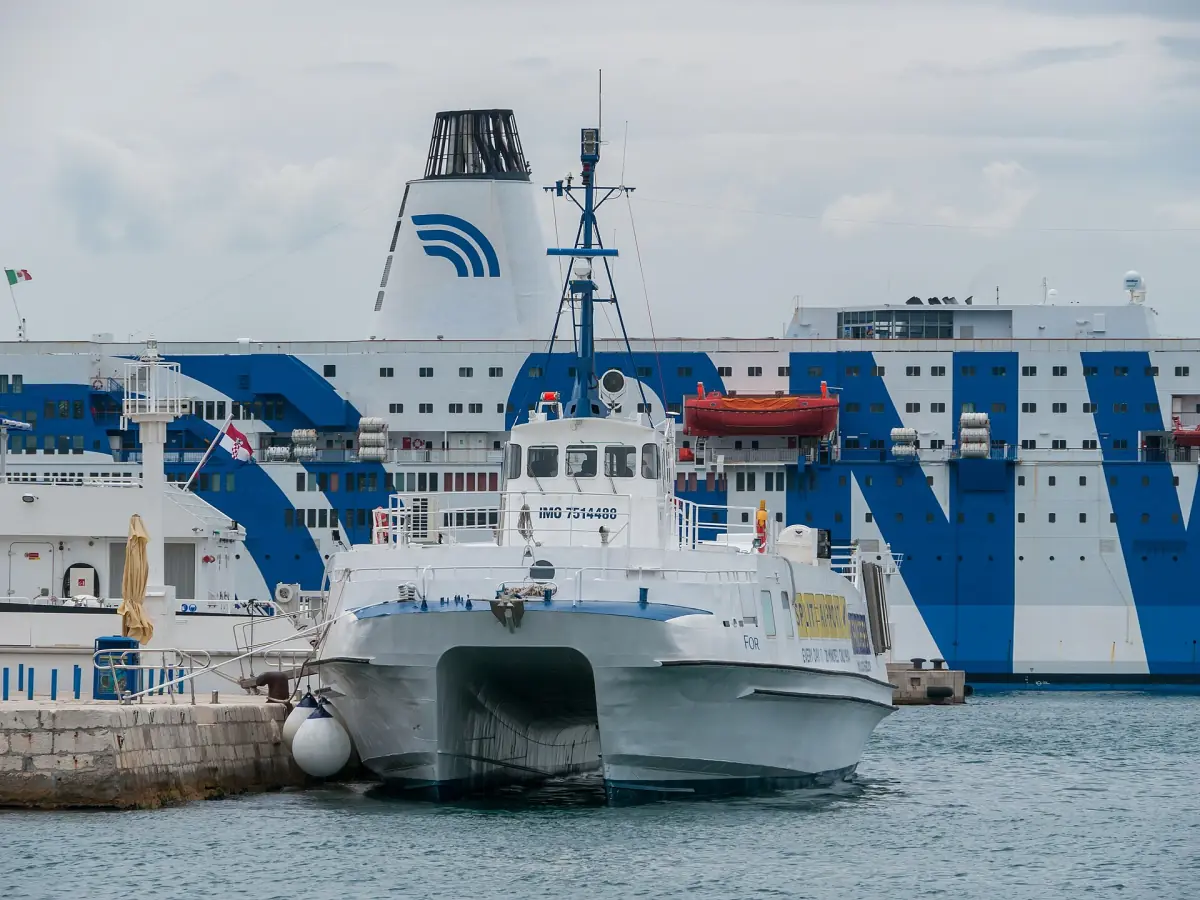
A small-group sea day for your Split itinerary
This Blue Cave boat excursion includes an English-speaking crew, bottled water and snorkelling masks. Choose a suitable sailing date alongside your city days.
Summer for warmth and the shore
July and August have the warmest monthly means in the DHMZ series for 1948 to 2024, and July has the lowest average rainfall in that record. Those patterns make summer a logical starting point for travellers who value warm air and time beside the sea. They do not define a guaranteed swimming season or the conditions on a particular beach.
Match the shore to the kind of day you want. Bačvice is sandy and associated with picigin in the shallow water. Kašjuni is a pebble beach, while Bene has a partly sandy, partly rocky shore with pines. The Split beach guide helps choose the setting. Make the decision to swim locally, rather than using a monthly air temperature as a substitute for the conditions in the water.
Boat days need their own calendar
The featured small-group excursion includes a professional English-speaking crew, bottled water, snorkelling masks, fuel surcharge and parking fees. It provides a sea-day option within a wider stay. Put that outing on a date when the departure is offered, leaving room for a city day if conditions change instead of making the whole itinerary depend on a single sailing.
The Blue Cave tariff linked for 2026, from the operator's 2025 publication, lists periods from April to October. Treat those as admission price periods, not as a daily opening calendar or a winter sailing promise. The cave lies on Biševo and is entered in small boats through a low opening. Swimming, bathing and diving inside are prohibited. Read the Blue Cave planning guide before choosing the trip.
Split in December
December makes more sense for a city-focused visit than for an itinerary that needs summer-style beach and boat days. This is our planning recommendation based on the cooler historical monthly temperatures. November has the highest average rainfall in the 1948 to 2024 series, and December also calls for a plan that can adapt to wet weather. Pack for changing conditions and leave outdoor walks movable.
Choose December because you want time in Split itself, with any sea outing treated as a date-specific addition. Check opening hours for the indoor places you want to enter rather than importing summer hours into a winter itinerary. Keep the arrival day straightforward and avoid making a long boat excursion essential to the success of a short winter stay.
Ferry periods and the final choice
Ferry timetable seasons and fare seasons can use different boundaries. A change of month does not tell you the departure pattern or ticket price by itself. The 2026 Split to Supetar tariff applies across the year, for example, so a winter visit should not be budgeted on an assumed cheaper winter fare for that route. The ferry guide explains the transport choices.
Choose the month first by your main activity, then check the travel dates against the actual timetable and weather forecast. Leave enough room between an island return and an onward journey. This approach works whether you prefer a warm shore day, a walking-led stay in a milder month or a December visit centred on the city.
Questions about choosing your dates
Which months suit a walking-focused visit?
Consider May, June and September. Their lower historical monthly means than July and August make them our starting recommendation for a stay centred on walking, with the daily forecast guiding the programme.
Can I plan a beach trip solely from the month?
Use summer warmth as a starting point, then choose the beach and bathing conditions on the day. Monthly air temperature does not describe water temperature or provide a swimming guarantee.
Should I book December around a Blue Cave excursion?
Build December around Split itself and add sea activities according to the departures offered for your dates. The published cave tariff periods are not a winter operation calendar.