
Things to do in Split: choose your starting point
The things to do in Split make more sense as a connected walk than as a race between monuments. The palace is part of the city, with public lanes, homes and later buildings inside its Roman outline. Begin with the waterfront and the Peristyle, add a market or an interior visit, then decide whether the rest of the day belongs to the wooded Marjan peninsula or the beach.
A useful first decision is how much time to spend indoors. Public palace streets are free to explore, while the substructures, cathedral and Jupiter's Temple have separate admission arrangements. A walk through the old centre can therefore remain a simple outdoor visit. For a closer look at construction and paid interiors, use the Diocletian's Palace guide alongside this overview.
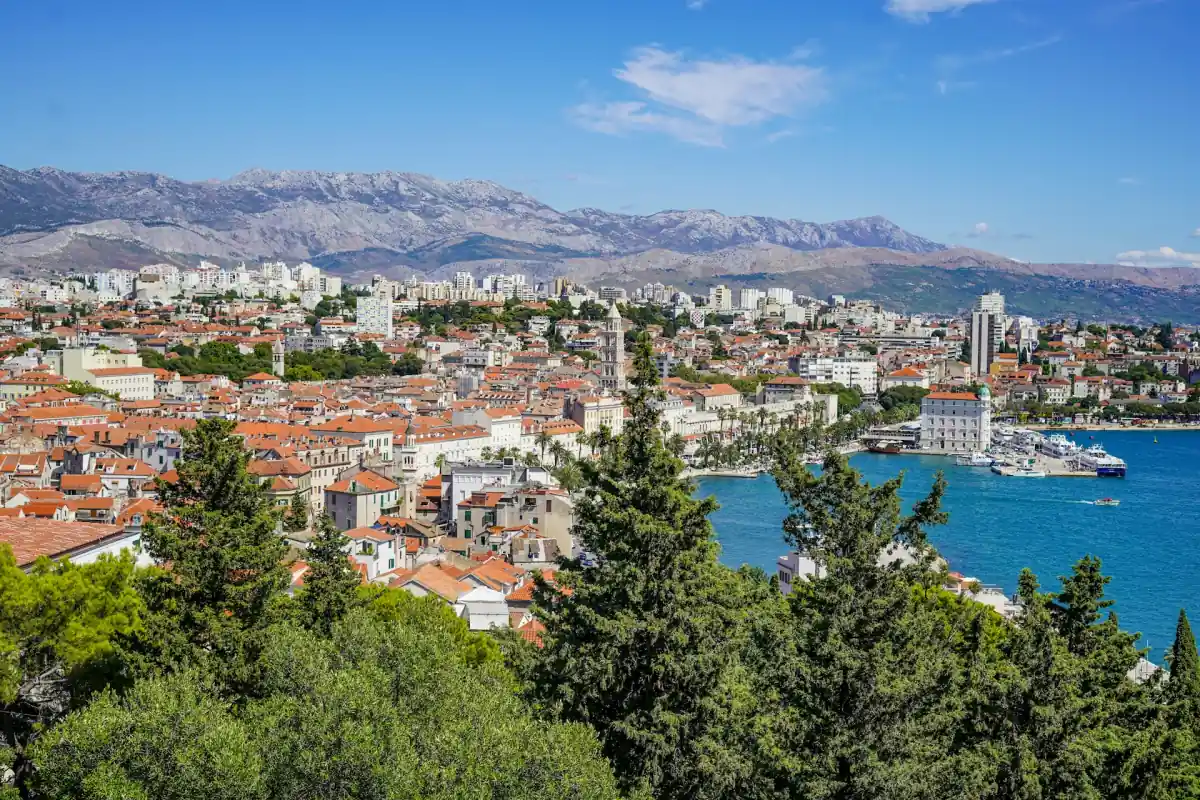
Riva: waterfront orientation
The Riva is the public promenade in front of the palace, lined with cafés and restaurants. It gives a clear starting point before entering the tighter streets behind the waterfront. Walk here independently, take a break, then turn towards the palace rather than trying to combine every part of the city immediately. Keep the promenade as a reference point when comparing a meeting location with the port or an address inside the old town.
The Peristyle: a courtyard with a purpose
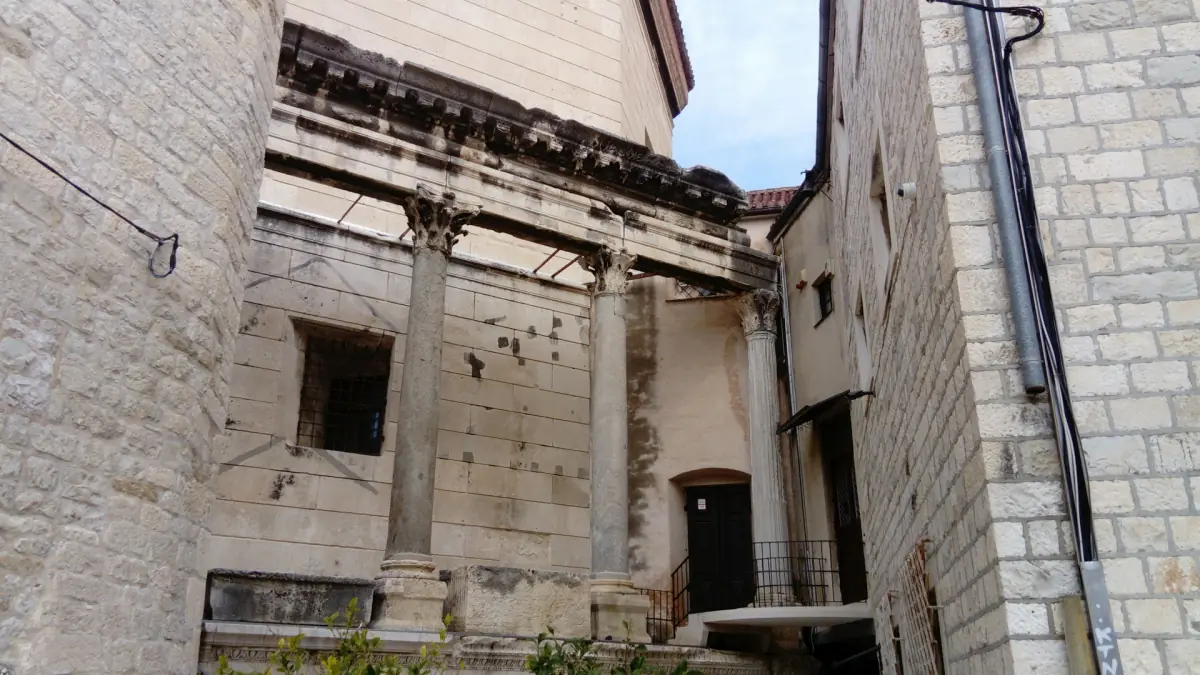
The Peristyle was the palace's ceremonial central space. Looking at it as a gathering place helps explain the relationship between the imperial complex and the buildings around it. Pause to look at the columns before moving on: this is an opportunity to understand the palace above ground, rather than treating the entire complex as an underground attraction. The history of Split explains how Roman structures acquired later uses.
Our picks: A city outing
A tuk-tuk with driver offers a way to explore Split.
Hand-picked tours, booked through Viator. Prices are indicative starting prices in euros (as of October 2026). Tap a tour for live availability and the current price in your currency.
See Split by Tuk-Tuk
This city sightseeing option includes a driver and Tuk-Tuk, with meeting locations on the main promenade or at the cruise terminal. Plan separate time for your own interior visits.
Cathedral and bell tower
The Cathedral of Saint Domnius occupies Diocletian's former mausoleum, converted into a cathedral in the seventh century. It is still used for worship, so treat the visit as a church visit as well as an architectural stop. Its octagonal exterior and round interior are useful details to notice. The bell tower involves stairs; plan it separately from an easy promenade walk. Covering shoulders and knees is sensible preparation for entering the cathedral.
Markets: Pazar and Peškarija
Pazar is the green market by the Silver Gate, while Peškarija is the fish market. Browsing either is free. For a route through the centre, continue west along the Decumanus towards the Iron Gate and Pjaca, then work the fish market, Marmontova and Prokurative into the same outing. Leave room to stop rather than attaching an exact timetable to the markets. Our old town walking guide develops this route in more detail.
Marjan: extend the walk towards the views
For a change from stone streets, continue through Matejuška and Varoš towards the Marjan viewpoint near the old Jewish cemetery. Marjan is a wooded peninsula with walking routes, exercise paths and viewpoints. Make this the main extension to a city walk if views and walking appeal more than another interior. Follow local notices around works and use the Marjan guide to distinguish a viewpoint outing from a longer peninsula walk.
Bačvice: sand and Picigin
Bačvice is a sandy beach near the city port, associated with Picigin played in shallow water. It makes a different ending to a sightseeing day: swap the palace streets for time by the sea. The promenade also has nightlife, which matters if considering a nearby room as well as an afternoon visit. Compare Bačvice with Kašjuni and Bene in the Split beach guide, choosing by shore type and access rather than expecting every beach to offer the same experience.
Planning your sightseeing
Can the palace be explored without buying a ticket?
The public palace lanes can be explored freely. Budget separately for paid interiors such as the substructures, cathedral and Jupiter's Temple, depending on which spaces the visit includes.
What is a manageable first route?
Start with the Riva, Peristyle and the surrounding old town. Then choose one extension, either Marjan for walking and views or Bačvice for the beach, rather than squeezing both into a rushed circuit.
What does the Tuk-Tuk option include?
The included services are the driver and Tuk-Tuk. The meeting points are on the main promenade or at the cruise terminal. Keep admission to interiors separate when planning the rest of the day.